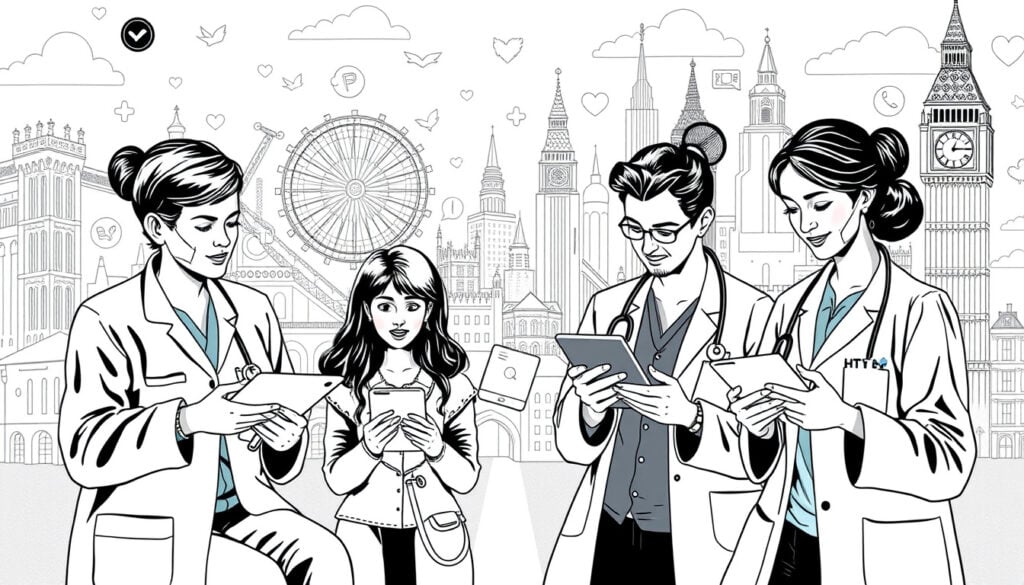
In recent years, TikTok has evolved into a powerful platform that extends beyond short dance videos and lighthearted memes; it has become a significant source of health education through a phenomenon known as ‘HealthTok.’ This vibrant community is particularly popular among Millennials and Gen Z, who increasingly turn to TikTok for health advice rather than conventional sources like medical professionals. While HealthTok promotes a democratization of health information, providing a space for peer support and shared experiences, it also brings forth critical concerns regarding the spread of misinformation. This article delves into the dual nature of HealthTok, highlighting its potential for community empowerment alongside the urgent need to combat false or misleading health claims.

TLDR:
- HealthTok serves as a significant health information source, especially for Millennials and Gen Z.
- The increasing reliance on TikTok for health advice raises concerns about misinformation and unsafe health practices.
- Healthcare brands must engage ethically to promote accurate information while fostering community support on HealthTok.
The Rise of HealthTok: Community Empowerment and Education
### The Rise of HealthTok: Community Empowerment and Education
In recent years, the TikTok platform has witnessed a surge of content dedicated to health topics, aptly termed ‘HealthTok.’ This vibrant community has emerged as a popular resource for Millennials and Gen Z users seeking health information, often bypassing traditional avenues such as medical consultations in favor of TikTok videos. While HealthTok serves as a dynamic space for health education and peer support, it is not without its challenges. The democratization of health knowledge fosters valuable community connections, but it also brings the risk of widespread misinformation.
With niche communities addressing various health issues, users can find support and shared experiences that empower them to take charge of their wellbeing. However, the sheer volume of content makes it difficult to monitor accuracy; many health tips circulating on the platform may lack scientific backing, or worse, could be harmful. Alarmingly, a striking 93% of social media users feel that brands have a responsibility to combat misinformation effectively. This statistic highlights the pressing need for healthcare brands to engage ethically on platforms like TikTok to maintain trust and safety.
Brands and healthcare professionals must strive for transparency and adherence to regulatory guidelines when sharing health-related content. Their involvement not only lends credibility to the information circulating in the HealthTok ecosystem but also sets a standard for ethical engagement in digital health communication. By responsibly navigating the dual nature of HealthTok—community connection versus accurate information—brands can enhance their reputation and contribute to making this platform a safer, more informative space for all users. In conclusion, the rise of HealthTok represents both an opportunity and a challenge in the realm of health education, underlining the importance of informed engagement by both content creators and healthcare entities.
Combatting Misinformation: The Role of Brands and Healthcare Professionals
The rise of HealthTok presents a unique intersection of community-driven health education and the potential pitfalls of misinformation. One critical factor in addressing these challenges lies in the collaboration between brands and healthcare professionals to create and disseminate accurate health content. With a vast segment of younger audiences increasingly relying on social media for health information, it’s crucial for reputable brands to take an active role in curating content that adheres to scientific standards. This includes fact-checking health claims, engaging with licensed professionals for advice, and promoting evidence-based information rather than sensational or anecdotal tips. By fostering an environment of trust and transparency, they not only mitigate risks associated with misinformation but also build a loyal following who values reliable health resources. This collaborative effort is essential in steering HealthTok toward a more informed space where users can thrive on accurate, supportive, and community-oriented health discussions.
About the author:
Sara Stepinfron has been working in rhe field of social media since 2005, and has a long history of bringing large brands up from obscurity as well as rescuing poorly manages social media management at fortune 500 and fortune 100 companies.