In today’s competitive business landscape, understanding the customer experience has never been more crucial. One effective tool that organizations use to enhance their customer interactions is customer journey mapping. This strategic process involves visualizing the complete experience a customer goes through while engaging with a brand, allowing businesses to identify pain points and opportunities for improvement. In this article, we will delve into the essentials of customer journey mapping, examining its key components, numerous benefits, and best practices to create an effective map that resonates with your audience.

Key Takeaways
- Customer journey mapping helps visualize the customer experience from start to finish.
- Key components include touchpoints, customer actions, emotions, and pain points.
- Benefits of customer journey mapping include improved customer satisfaction and increased retention.
- Best practices involve gathering data from multiple sources and continuously updating the map.
- Effective customer journey mapping leads to better decision-making and targeted marketing strategies.
Understanding Customer Journey Mapping
Customer journey mapping is a powerful tool that helps businesses visualize and understand the various touchpoints a customer encounters while interacting with their brand. By plotting out these interactions, companies can gain valuable insights into their customers’ experiences, from initial awareness through the consideration phase, and ultimately to purchase and post-sale support. This process not only identifies potential pain points in the customer experience but also highlights opportunities for improvement, allowing businesses to enhance their services and tailor their marketing strategies more effectively. For those looking to improve customer satisfaction and loyalty, customer journey mapping is an essential strategy that reveals the nuances of consumer behavior and expectations, ultimately driving better engagement and conversion rates.
Key Components of Customer Journey Mapping
Customer journey mapping is an invaluable tool used by businesses to visualize and understand the customer experience from start to finish. This process involves several key components that help organizations identify touchpoints, interactions, and emotions customers experience along their journey. First, defining the customer personas is essential, as it allows businesses to cater to specific needs and preferences. Next, mapping the stages of the journey—awareness, consideration, purchase, retention, and advocacy—enables a comprehensive understanding of how customers interact with your brand at each phase. Additionally, identifying critical touchpoints, such as website visits, customer service calls, and social media interactions, provides insights into where customers engage most frequently. Finally, capturing the emotional journey by assessing customer sentiment at each touchpoint can highlight areas for improvement, ensuring that every interaction is positive and enriching. By focusing on these key components of customer journey mapping, businesses can enhance customer satisfaction, optimize marketing strategies, and ultimately increase loyalty.
‘You can’t measure customer experience without mapping the customer journey first.’ – Bruce Temkin
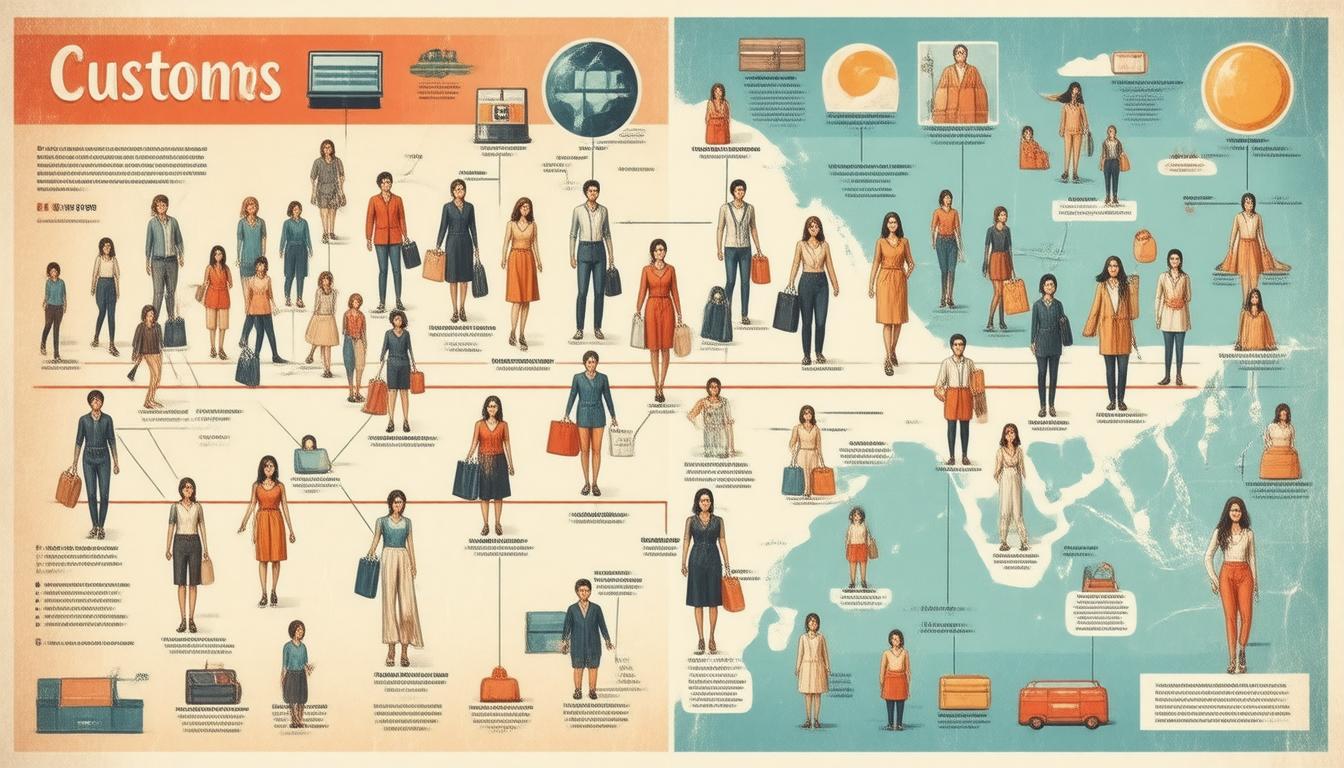
Benefits of Customer Journey Mapping
Customer journey mapping is an essential process for businesses looking to enhance their customer experience and increase satisfaction. One of the primary benefits of customer journey mapping is the ability to visualize the entire customer experience from start to finish, identifying key touchpoints and interactions. This comprehensive view allows organizations to pinpoint pain points and areas for improvement, ensuring that they meet customer needs effectively. Additionally, customer journey mapping fosters a deeper understanding of customer behavior and motivations, enabling companies to tailor their marketing strategies and improve engagement. By addressing specific customer challenges revealed through the mapping process, businesses can create more personalized experiences, ultimately leading to higher conversion rates and customer loyalty. In today’s competitive market, leveraging customer journey mapping not only enhances service delivery but also drives long-term business growth and success.
Best Practices for Effective Customer Journey Mapping
Customer journey mapping is a vital strategy for businesses seeking to enhance their customer experience and drive engagement. To implement effective customer journey mapping, start by clearly defining the objective of your map, as this helps in identifying key touchpoints in the customer lifecycle. Engaging customers through surveys or interviews can provide valuable insights into their experiences and pain points. It’s essential to visualize the journey by creating a diagram that outlines each stage, from awareness to post-purchase, while noting the emotions and expectations at each phase. Additionally, leverage data analytics to understand customer behaviors and refine your map accordingly. Regularly updating the customer journey mapping process is also crucial, as it ensures that the information remains relevant and actionable, ultimately optimizing customer interactions and satisfaction.